Are you struggling to figure out how to properly account for your software development costs? You’re not alone.
Getting this right can save you money, reduce stress during audits, and give you clearer insights into your business’s financial health. You’ll discover simple, practical steps to track and report these costs accurately. By the end, you’ll have the confidence to handle software expenses like a pro, ensuring your books are both clear and compliant.
Ready to take control of your software development costs? Let’s dive in.

Credit: www.researchgate.net
Types Of Software Development Costs
Software development costs come in different forms. Each type affects your budget in unique ways. Understanding these costs helps you plan better. It also keeps your project on track.
Costs start before coding and continue after launch. They include many tasks and resources. Knowing these types helps in clear accounting and reporting.
Pre-development Expenses
These costs happen before actual software building starts. They include research, planning, and design work. Market studies and technical analysis are part of it. Hiring experts and creating prototypes also add to expenses. This phase sets the foundation for the project.
Development Phase Costs
This phase covers the coding and building process. It includes salaries for developers, testers, and designers. Costs for software tools and licenses belong here. Infrastructure expenses like servers and cloud services count too. Time spent on debugging and revisions adds to costs.
Post-development Charges
After release, some costs continue. Maintenance and support require ongoing work and updates. Fixing bugs and improving features cost money. Training users and creating manuals add expenses. Hosting and security also need budget allocation.
Capitalizing Vs. Expensing Costs
Deciding whether to capitalize or expense software development costs affects your business’s financial health. Capitalizing means recording costs as an asset on the balance sheet. Expensing means charging costs to the income statement immediately. Both methods change how profits and assets appear to investors and managers.
Understanding the difference helps maintain clear and accurate financial records. It also ensures compliance with accounting rules and standards. Let’s explore the criteria for capitalization, when to expense costs, and their impact on financial statements.
Criteria For Capitalization
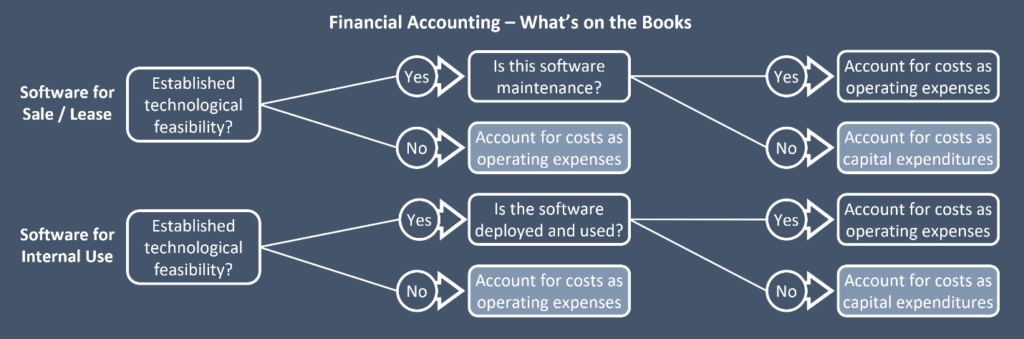
Costs must meet specific conditions to be capitalized. The software must have a clear future benefit. Development costs include coding, testing, and design stages. Only costs during the application development stage qualify. Research or preliminary project costs cannot be capitalized. Capitalization stops once the software is ready for use.
When To Expense Costs
Expense costs occur before or after the development phase. Research and planning costs are expensed immediately. Maintenance and minor updates also get expensed. These costs do not add new value to the software. Expensing lowers current profits but avoids overstating assets. This approach gives a clear view of operational costs.
Impact On Financial Statements
Capitalizing software costs increases assets on the balance sheet. It spreads expenses over several years as depreciation. This raises short-term profits but adds long-term costs. Expensing reduces profits immediately but shows lower assets. Investors see a more conservative financial position. Choosing the right method affects tax and investment decisions.
Cost Allocation Methods
Cost allocation methods help assign software development expenses to the right projects. This makes budgeting clearer and helps track spending. Choosing the right method depends on your project size and team structure. Understanding these methods can improve financial accuracy and project management.
Direct Cost Tracking
Direct cost tracking assigns expenses straight to a project. This method records costs like salaries, software licenses, and hardware used. It gives a clear view of where money goes. Teams can monitor costs daily or weekly. This method is simple and works well for small teams.
Activity-based Costing
Activity-based costing spreads costs based on tasks or activities. It breaks down work into smaller parts. Each activity gets a cost based on time and resources used. This method shows detailed project expenses. It helps identify which tasks are costly. Useful for complex projects with many steps.
Time Tracking Approaches
Time tracking records how long team members work on tasks. It converts hours worked into cost using salary rates. This method links time directly to expenses. It helps find inefficiencies and improve productivity. Many tools automate time tracking for accuracy.

Credit: www.journalofaccountancy.com
Accounting Standards And Regulations
Accounting for software development costs requires following clear standards and rules. These rules help companies report costs fairly and consistently. They guide how to treat costs during and after development. Understanding these standards is key to accurate financial statements.
Gaap Guidelines
GAAP stands for Generally Accepted Accounting Principles. It applies mainly in the United States. GAAP separates software costs into research and development phases. Costs during research are expensed immediately. Development costs can be capitalized if certain criteria are met. This includes proving technical feasibility and intent to complete the software.
Capitalized costs are recorded as an asset and amortized over time. This method helps match expenses with the software's useful life. Companies must regularly review these assets for impairment. If the software loses value, they must write down the asset.
Ifrs Requirements
IFRS stands for International Financial Reporting Standards. It is used in many countries worldwide. IFRS also divides costs between research and development stages. Research costs are expensed as incurred. Development costs can be capitalized when specific conditions are fulfilled.
These conditions include demonstrating the software’s technical feasibility and intention to complete it. Capitalized costs are amortized over the software’s expected useful life. IFRS requires companies to review these assets for impairment regularly. If impaired, the asset value must be reduced accordingly.
Industry-specific Rules
Some industries have special rules for software costs. For example, the healthcare and finance sectors may have extra regulations. These rules often focus on compliance and data security. They may affect how costs are recognized or capitalized.
Companies should check if their industry has unique accounting standards. Following these ensures compliance and accurate financial reporting. Ignoring industry rules can lead to penalties and misstated accounts.
Recording Software Development Costs
Recording software development costs is an important step in managing a project’s financial health. It helps track spending and ensures proper accounting treatment. Accurate records support better budgeting and financial reporting.
Costs must be carefully documented and categorized during the development process. This clarity helps businesses understand their expenses and comply with accounting standards.
Journal Entries
Journal entries record all software development expenses in the accounting system. Costs can include salaries, software licenses, and materials. Each entry should specify the date, amount, and expense type.
For development costs that qualify as assets, debit the software asset account. Credit cash or accounts payable depending on payment status. For costs that must be expensed, debit the expense account directly.
Balance Sheet Presentation
Capitalized software development costs appear as intangible assets on the balance sheet. They show the value of software under development or completed software ready for use. These assets are listed under non-current assets.
Costs expensed during development do not appear on the balance sheet. Instead, they reduce profit in the income statement immediately.
Income Statement Effects
Expenses for software development that do not meet capitalization criteria reduce net income. These costs are recorded as research and development expenses or general expenses. Capitalized costs are amortized over the software’s useful life.
Amortization expense spreads the cost on the income statement gradually. This approach matches cost with the software's benefits over time.
Common Challenges And Solutions
Accounting for software development costs can be tricky. Many challenges arise that can disrupt budgets and timelines. Identifying these challenges helps create better solutions. Understanding common issues makes managing costs easier and more accurate.
Estimating Development Time
Estimating how long software development takes is difficult. Developers may face unexpected technical problems. Requirements can change during the project. These factors make time predictions unreliable.
Break tasks into smaller parts. Use past project data to guess time better. Communicate often with the team to adjust estimates. These steps reduce surprises and keep the budget on track.
Handling Overhead Costs
Overhead costs include office rent, utilities, and software licenses. These expenses are not part of direct coding but affect budgets. Ignoring overhead leads to underestimating total costs.
Track overhead separately from direct costs. Allocate a percentage of overhead to each project. This method gives a clearer view of the real expenses. It helps set more accurate project prices.
Managing Cost Overruns
Cost overruns happen when projects spend more than planned. Causes include scope changes and poor estimates. Overruns can harm profits and delay delivery.
Set a contingency budget for unexpected costs. Review project progress regularly to catch issues early. Adjust plans and communicate changes quickly. These actions help control costs and finish on time.
Tools For Tracking And Reporting
Tracking and reporting software development costs requires the right tools. These tools help keep budgets clear and projects on track. They simplify the process of recording expenses, time, and resource use. This makes it easier to review costs and plan future projects.
Accounting Software
Accounting software records financial transactions related to software projects. It tracks expenses like salaries, licenses, and hardware. Many programs offer features to create invoices and manage budgets. Using accounting software reduces errors in cost reporting. It provides clear reports for managers and accountants.
Project Management Tools
Project management tools help monitor tasks and time spent on development. They allow teams to log hours and track progress easily. These tools often include features for setting deadlines and assigning roles. Tracking time helps calculate labor costs accurately. Managers get a clear view of project status and expenses.
Integrating Systems
Integrating accounting and project management tools saves time and avoids duplicate work. Data flows smoothly between systems, improving accuracy. Integration helps create detailed cost reports with minimal effort. Teams can see financial data alongside project progress. This connection supports better decision-making and cost control.
Credit: foundersib.com
Tax Implications Of Software Costs
Understanding the tax implications of software development costs is crucial for businesses. These costs can affect your taxable income and how you report expenses. Proper accounting ensures you comply with tax laws and optimize your tax benefits.
Software expenses are not always treated the same way as other costs. Different rules apply depending on whether the software is bought or developed. Knowing these rules helps you avoid mistakes and penalties.
Tax Deductions
Some software costs qualify as tax deductions. These are expenses you can subtract from your income to lower your tax bill. For example, off-the-shelf software purchases often qualify for immediate deduction.
Development costs may qualify as business expenses if they are for research or testing. But costs to create software for long-term use usually cannot be deducted right away.
Amortization Rules
Amortization spreads software costs over several years. This means you deduct a portion of the cost each year instead of all at once. It applies mostly to software developed or purchased for long-term use.
The IRS typically requires amortization over 3 to 5 years. This matches the software’s useful life. Tracking these costs properly helps you claim the right deductions each year.
Compliance Considerations
Following tax rules is essential to avoid audits or penalties. Keep detailed records of all software-related expenses. Documentation should include invoices, contracts, and development logs.
Consult tax professionals for complex cases. Compliance ensures your software costs are reported correctly. This protects your business and helps you make informed financial decisions.
Frequently Asked Questions
What Costs Are Included In Software Development Accounting?
Software development accounting includes labor, software licenses, hardware, testing, and project management costs. It also covers maintenance and support expenses to ensure accurate financial tracking.
How Do You Differentiate Capital Vs Expense In Software Costs?
Capital costs are for software assets with long-term value. Expenses cover ongoing operational costs. Proper classification affects tax treatment and financial reporting.
Why Is Tracking Software Development Costs Important?
Tracking costs helps manage budgets, improve project planning, and ensure regulatory compliance. It provides insights into profitability and resource allocation.
How To Allocate Indirect Costs In Software Projects?
Indirect costs, like utilities and admin, are allocated based on project time or usage. Proper allocation ensures accurate project cost estimation.
Conclusion
Accounting for software development costs takes careful planning and clear tracking. Break down expenses into simple categories. Keep records updated and review them often. This helps avoid mistakes and surprises later. Understanding costs lets you manage your budget well. It also helps in making smart business decisions.
Stay consistent with your accounting process every time. This approach makes your financial reports more reliable. Clear accounting supports your project’s success and growth.