Are you struggling to keep track of your customers and grow your business smoothly? Customer Relationship Management (CRM) software might be the key you’re missing.
Imagine having all your customer information, sales data, and communication tools in one simple place. This can save you time, boost your sales, and build stronger relationships with your clients. You’ll discover how CRM software works and why it could change the way you manage your business for the better.
Keep reading to learn how to turn your customer connections into lasting success.
Benefits Of Crm Software
Customer Relationship Management (CRM) software helps businesses manage their interactions with customers. It stores customer data, tracks communications, and organizes sales activities. Using CRM software brings many benefits that improve business operations and customer satisfaction.
Enhancing Customer Interaction
CRM software keeps all customer information in one place. This helps teams understand customer needs better. It allows quick responses to questions and requests. Personalizing messages becomes easier, making customers feel valued. Better interaction builds trust and improves relationships.
Streamlining Sales Processes
CRM tools organize sales tasks and follow-ups automatically. They track leads and sales stages clearly. This reduces errors and missed opportunities. Sales teams spend less time on paperwork and more on selling. The result is faster sales cycles and higher productivity.
Improving Customer Retention
CRM software helps identify unhappy customers early. It sends reminders for follow-ups and special offers. Businesses can offer better support and solve problems quickly. Happy customers come back more often and spend more. This increases loyalty and long-term profits.

Credit: www.icontact.com
Key Features To Look For
Choosing the right Customer Relationship Management (CRM) software is key to better business growth. The right tools help teams work smarter, not harder. Focus on features that improve daily tasks and boost customer satisfaction.
These features ensure your CRM adapts to your needs. They simplify processes and provide clear insights. Let's explore the key features that matter most.
Contact Management
Contact management organizes all customer information in one place. It stores names, phone numbers, emails, and past interactions. Easy access to details helps teams build stronger relationships. It also avoids lost or duplicated data. This feature keeps your customer base clean and updated.
Sales Automation
Sales automation speeds up repetitive tasks like follow-ups and reminders. It tracks deals and sales stages automatically. This saves time and reduces errors. Teams focus more on selling, less on paperwork. Automation helps close deals faster and improves revenue.
Analytics And Reporting
Analytics show how well your sales and marketing efforts perform. Reports provide data on customer behavior and team progress. Clear visuals make it easy to spot trends and issues. Use this information to make better decisions. Good analytics improve overall business strategy.
Integration Capabilities
Integration connects your CRM with other tools like email, calendars, or accounting software. It creates a smooth workflow without switching apps. This saves time and reduces mistakes. Choose CRM software that works well with your existing tools. Strong integration keeps your business running smoothly.
Choosing The Right Crm
Choosing the right Customer Relationship Management (CRM) software is a key step for any business. The right CRM helps manage customer data, improves communication, and boosts sales. It should fit your business needs, be easy for your team to use, and offer good value. Consider these factors carefully to make the best choice.
Assessing Business Needs
Start by listing what your business requires from a CRM. Think about the size of your team and the volume of customer data. Identify key features you need, like contact management or sales tracking. Focus on tools that help your business grow efficiently. Avoid complex systems with features you won’t use.
Evaluating User Experience
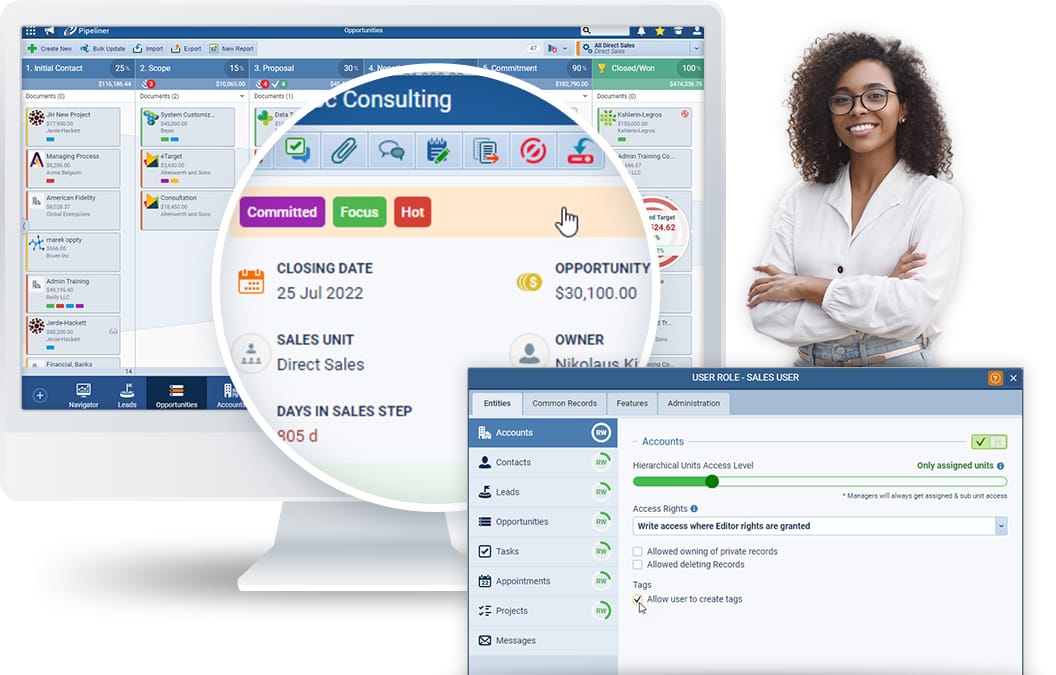
Choose a CRM with a simple and clear interface. Your team should learn it quickly without frustration. Test the software with a free trial if possible. Check how easy it is to add contacts, send emails, and generate reports. A user-friendly CRM saves time and reduces errors.
Comparing Pricing Models
Look at different pricing plans and what they include. Some CRMs charge per user, others offer flat rates. Consider your budget and the number of users who need access. Watch for extra costs like setup fees or add-ons. Pick a plan that fits your financial limits and business size.
Credit: www.pipelinersales.com
Implementing Crm Successfully
Implementing Customer Relationship Management (CRM) software takes careful work. It is more than just installing a tool. Success depends on clear planning, team training, and constant checks. These steps help the software serve your business well.
Planning And Setup
Start by setting clear goals for the CRM. Know what your business needs and how the software can help. Choose the right features that match your daily work. Set up the CRM with clean, organized data. Test the system before going live. This avoids early problems and saves time.
Training Your Team
Train your team to use the CRM fully. Use simple instructions and practical examples. Show how the CRM makes their work easier. Encourage questions and provide ongoing support. A confident team uses the CRM better and faster. This leads to better customer service and sales.
Monitoring And Optimization
Track how the CRM performs regularly. Look for issues or slow parts. Gather feedback from users to find problems. Use data reports to see trends and results. Adjust settings and workflows to improve results. Keep updating the software to stay current. This keeps the CRM working well over time.
Boosting Sales With Crm
Customer Relationship Management (CRM) software helps businesses increase sales effectively. It organizes customer data and streamlines sales processes. This software makes it easier to understand customer needs and act quickly. Using CRM tools, companies can boost their sales performance in many ways.
Targeted Marketing Campaigns
CRM software segments customers based on their interests and behaviors. This allows businesses to send personalized marketing messages. Targeted campaigns reach the right audience with the right offers. This approach improves customer engagement and increases the chances of sales. It reduces wasted marketing efforts and lowers costs.
Lead Scoring And Management
CRM helps rank leads by their likelihood to buy. Sales teams can focus on the most promising leads first. Lead scoring saves time and increases efficiency in follow-ups. It also tracks lead interactions and updates their status automatically. This keeps the sales process organized and effective.
Sales Funnel Optimization
CRM software provides a clear view of the sales funnel stages. Businesses can spot bottlenecks and improve each step. This leads to faster deal closures and higher conversion rates. It also helps identify which strategies work best for different customers. Optimizing the sales funnel maximizes revenue from every lead.

Credit: www.gatechnocaretechnology.com
Building Customer Loyalty
Building customer loyalty is key for any business. Loyal customers return often and bring new buyers. Customer Relationship Management (CRM) software helps keep customers happy and connected. It organizes data to create strong, long-lasting relationships. This section explores how CRM tools build loyalty with simple strategies.
Personalized Communication
CRM software collects details about each customer. It helps send messages that feel personal and relevant. Customers appreciate emails or texts that match their interests. Personalized offers make customers feel special and valued. This approach increases trust and encourages repeat business.
Reward And Loyalty Programs
Many CRM systems support reward programs. These programs give points or discounts for purchases. Customers enjoy earning rewards and coming back for more. Loyalty programs create a positive experience. They motivate customers to choose your business again and again.
Feedback And Support Systems
CRM tools make it easy to gather customer feedback. Customers can share their thoughts and concerns quickly. Good support builds trust and solves problems fast. When customers feel heard, they stay loyal longer. This system improves service and customer satisfaction.
Trends Shaping Crm Software
Customer Relationship Management (CRM) software is changing fast. New trends shape how businesses connect with customers. These changes help companies work smarter and serve clients better. Understanding these trends can help businesses choose the right CRM tools.
Ai And Machine Learning
AI and machine learning make CRM smarter. They help predict what customers want next. This saves time and improves service. AI can analyze data quickly to find patterns. It helps sales teams focus on the best leads. Machine learning also personalizes messages for each customer.
Mobile Crm Solutions
Mobile CRM lets teams work from anywhere. Salespeople can check customer info on the go. Mobile apps update data in real-time. This improves communication and speeds up decisions. Mobile CRM is key for remote work and fast service.
Social Media Integration
Social media is where many customers interact. Integrating social media with CRM connects all customer talks. Businesses can respond faster and track feedback easily. This helps build strong relationships and trust. Social media data also adds value to customer profiles.
Frequently Asked Questions
What Is Customer Relationship Management Software?
Customer relationship management software helps businesses manage interactions with customers. It organizes contacts, tracks sales, and improves communication. This software enhances customer satisfaction and boosts sales by streamlining processes and providing valuable insights.
How Does Crm Software Improve Customer Experience?
CRM software centralizes customer data, enabling personalized communication. It tracks customer history and preferences, allowing timely support. This improves satisfaction, loyalty, and retention by delivering tailored experiences and faster responses.
What Are Common Features Of Crm Software?
Common CRM features include contact management, sales tracking, lead management, and reporting. Many also offer automation, analytics, and integration with other tools. These features help businesses streamline operations and make data-driven decisions.
Is Crm Software Suitable For Small Businesses?
Yes, CRM software is ideal for small businesses. It helps manage customer information efficiently and automates sales processes. Affordable and scalable options allow small businesses to grow and improve customer relationships easily.
Conclusion
Customer Relationship Management software helps businesses connect with customers. It keeps all customer information in one place. This makes communication faster and more personal. Teams can work better and solve problems quickly. Choosing the right CRM fits your business needs and goals.
It saves time and improves customer satisfaction. Using CRM means building stronger, lasting relationships with clients. Simple tools lead to better results. Consider CRM as a helpful partner in your business growth.