Are you struggling to keep track of your customers and leads? Imagine having a tool that organizes all your contacts, tracks every interaction, and helps you create personalized campaigns that actually work.
That’s exactly what a CRM for marketers can do for you. It’s not just about managing data—it’s about turning that data into real connections and bigger results. Ready to discover how a CRM can transform your marketing efforts and boost your success?
Keep reading, because what you learn here could change the way you grow your business.
Role Of Crm In Marketing
CRM plays a key role in marketing by helping teams work better together. It collects and organizes customer data in one place. This makes marketing efforts more focused and effective. Marketers can understand their audience and create campaigns that speak directly to customer needs.
With CRM, marketing becomes more connected to sales. It also allows for personal touches in customer communication. Campaigns run smoother with clear data and automation tools.
Connecting Sales And Marketing
CRM links sales and marketing teams closely. Both sides see the same customer information. This avoids confusion and duplicated work. Marketing can send leads directly to sales with clear details.
Sales teams get updates on marketing campaigns. They know which messages customers received. This helps them tailor their sales approach. Sharing data boosts teamwork and improves customer experience.
Personalizing Customer Interactions
CRM stores details about each customer’s preferences and behavior. Marketers use this data to send relevant messages. Personalized emails and offers catch customer attention better.
Customers feel valued when communication matches their interests. Personalization increases trust and loyalty. It helps convert prospects into buyers more easily.
Streamlining Campaign Management
CRM tools help plan and track marketing campaigns. Marketers can schedule emails, social posts, and ads in one place. Automation saves time and reduces errors.
Campaign results are visible in real-time. Marketers adjust strategies quickly based on data. This leads to smarter spending and higher returns.
Types Of Crm Tools For Marketers
Marketers rely on different types of CRM tools to manage customer relationships effectively. These tools help track interactions, analyze data, and improve teamwork. Choosing the right CRM type can boost marketing efforts and customer satisfaction.
Operational Crm Features
Operational CRM focuses on automating daily marketing tasks. It helps manage campaigns, emails, and social media posts. This CRM type tracks leads and customer information. It simplifies customer communication and saves time.
Analytical Crm Benefits
Analytical CRM collects and studies customer data. It shows buying patterns and customer preferences. Marketers use this data to make better decisions. This CRM type helps predict trends and improve targeting.
Collaborative Crm Functions
Collaborative CRM supports teamwork across departments. It shares customer information between sales, marketing, and support teams. This CRM improves communication and customer service. It ensures a smooth customer experience.
Leveraging Customer Data
Leveraging customer data is key for marketers to create smart campaigns. It helps understand who the customers are and what they want. Using this data correctly can improve marketing results and build strong customer relationships.
Collecting Relevant Customer Information
Start by gathering useful customer details. Focus on data like age, location, buying habits, and preferences. Avoid collecting too much data that may confuse your strategy. Use surveys, website analytics, and purchase history to get accurate information.
Segmenting Audiences Effectively
Divide customers into groups based on shared traits. This makes marketing messages more personal and clear. Segment by behavior, demographics, or interests. Targeted marketing helps increase engagement and sales.
Predicting Customer Behavior
Use data patterns to guess what customers might do next. Predict future purchases, preferences, or problems. This helps in planning offers and improving customer service. Accurate predictions save time and resources.
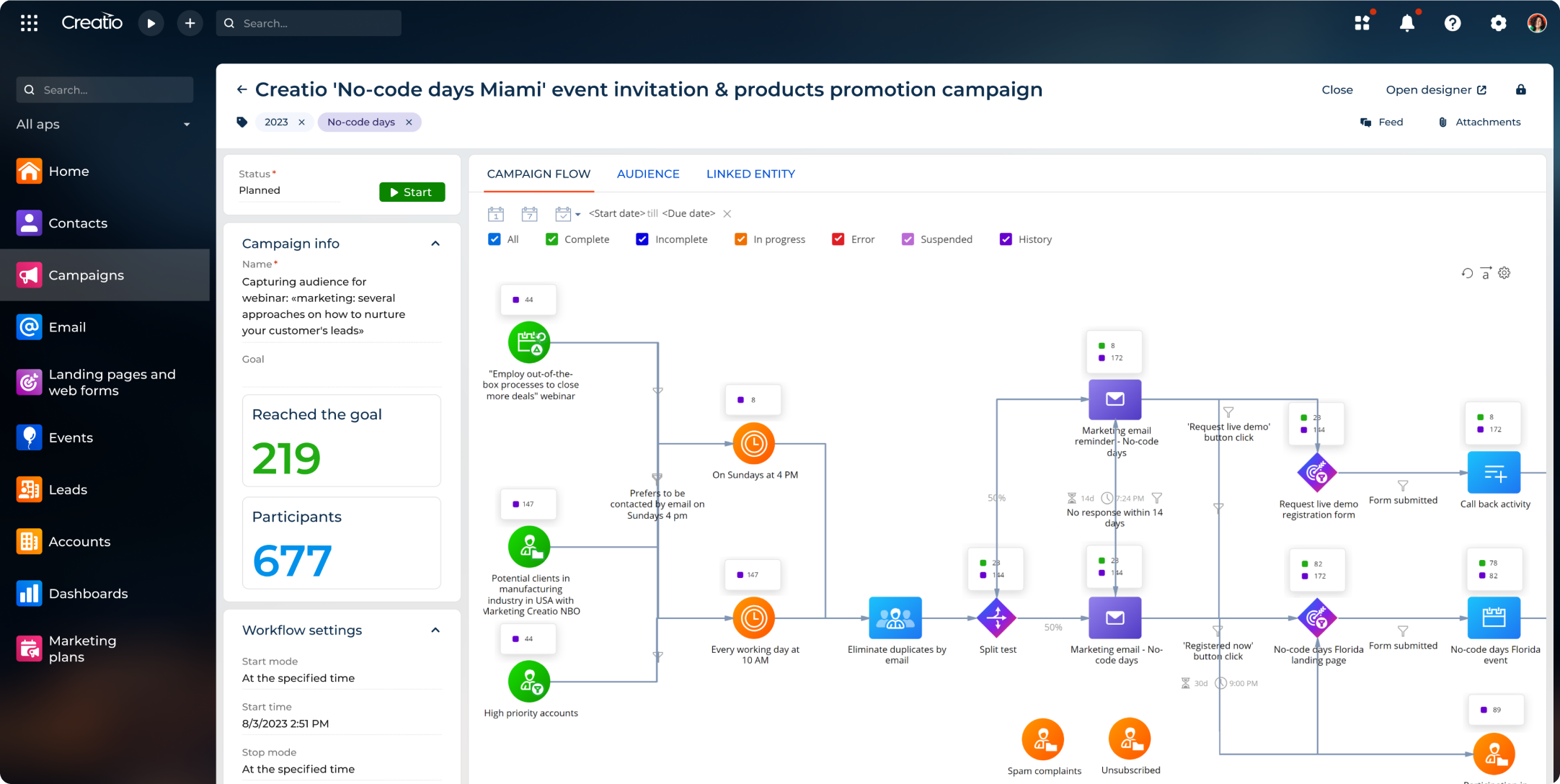
Credit: www.creatio.com
Boosting Sales With Crm Insights
CRM insights help marketers increase sales by using customer data smartly. They reveal key information about buyers and their behaviors. This data guides marketers to focus on the right people and improve sales steps.
Using CRM insights, marketers can find valuable leads, improve sales funnels, and follow the customer journey. These actions lead to better sales results and stronger customer relationships.
Identifying High-value Leads
CRM tools sort leads based on their likelihood to buy. They show which leads have the highest interest and potential value. Marketers spend time on these leads first. This focus increases chances of closing deals faster.
Data like past purchases, website visits, and engagement scores help identify top leads. This way, sales teams do not waste effort on low-interest contacts.
Optimizing Sales Funnels
CRM insights show where leads drop off in the sales process. Marketers see which steps need improvement. They adjust messages and offers to keep leads moving forward.
Better sales funnels reduce loss and increase conversions. CRM also tracks how long each step takes. This helps speed up the sales cycle and boost revenue.
Tracking Customer Journey
CRM systems follow every interaction a customer has with a brand. Marketers learn what interests customers at each stage. This knowledge helps deliver the right message at the right time.
Tracking the journey also reveals opportunities for upselling and cross-selling. Marketers can create personalized experiences that build loyalty and repeat business.
Integrating Crm With Marketing Channels
Integrating CRM with marketing channels helps marketers reach the right audience effectively. It creates a smooth flow of data between tools. This makes marketing efforts more targeted and efficient.
Marketers can track customer behavior and preferences easily. This data helps create personalized messages. It also improves customer engagement and satisfaction.
Email Marketing Automation
Email marketing automation uses CRM data to send personalized emails. It targets customers based on their actions and interests. This increases open rates and click-throughs. Automated emails save time and keep customers engaged. Marketers can schedule emails to arrive at the best time.
Social Media Engagement
CRM integration helps track social media interactions with customers. Marketers can respond quickly to comments and messages. It also helps find loyal customers and brand advocates. Using CRM data, marketers can create relevant social content. This builds stronger relationships and trust on social platforms.
Multi-channel Campaign Coordination
CRM ties together all marketing channels in one place. Marketers can plan campaigns that work across email, social media, and more. It ensures consistent messaging on every channel. Tracking results from all channels helps improve future campaigns. This coordination leads to better reach and higher ROI.

Credit: ninjapromo.io
Measuring Marketing Performance
Measuring marketing performance is essential for marketers who want to improve results. It helps to see what works and what does not. Tracking the right data guides better decisions and saves time and money. A CRM system makes this process easier. It collects, organizes, and analyzes data from marketing campaigns in one place.
Key Metrics To Track
Marketers should focus on metrics that show real impact. These include lead generation numbers, conversion rates, and customer acquisition cost. Tracking customer lifetime value reveals how much revenue each customer brings. Monitoring campaign engagement rates, like email opens and clicks, helps understand audience interest. These metrics provide a clear view of marketing success.
Using Crm Analytics Dashboards
CRM analytics dashboards display data visually for easy understanding. They show trends, patterns, and performance at a glance. Marketers can customize dashboards to focus on key metrics. This saves time and helps spot issues quickly. Dashboards support fast, informed decisions that improve campaign outcomes.
Adjusting Strategies Based On Data
Data from the CRM allows marketers to change strategies with confidence. If a campaign underperforms, the data shows why. Marketers can test new ideas or target different audiences. Continuous adjustments improve marketing effectiveness over time. Using CRM data leads to smarter, data-driven marketing choices.
Choosing The Right Crm For Marketers
Choosing the right CRM for marketers is a key step in improving customer relationships. The right tool helps manage contacts, track campaigns, and analyze data easily. Marketers need a CRM that fits their specific needs and grows with their business. Careful selection ensures better results and smoother workflows.
Evaluating Features And Usability
Look for features that support marketing tasks. Email marketing, lead scoring, and campaign tracking are vital. The interface should be simple and easy to use. Marketers spend less time learning and more time working. A user-friendly CRM reduces mistakes and speeds up processes.
Scalability And Integration Options
Choose a CRM that grows with your business. It should handle more contacts and users as needed. Integration with other tools is important. Connect with email platforms, social media, and analytics software. This keeps all marketing data in one place for better decisions.
Budget Considerations
Set a clear budget before selecting a CRM. Consider monthly fees and extra costs for add-ons. Some CRMs offer free plans with basic features. Compare what each plan provides. Pick a CRM that fits your budget and needs without overspending.
Future Trends In Crm For Marketing
The future of CRM for marketing is full of exciting changes. Technology keeps evolving, helping marketers understand customers better. New tools will make marketing more personal and fast. These trends will shape how businesses connect with their audience. Marketers will use smarter systems to improve customer experiences.
Ai And Machine Learning Applications
AI helps CRM systems analyze customer data quickly. It finds patterns that humans might miss. Machine learning improves predictions about customer behavior. Marketers can send the right message at the right time. AI also automates routine tasks, saving time for creative work.
Enhanced Personalization Techniques
Personalization will go beyond just using customer names. CRM will tailor content based on interests and past actions. This makes marketing feel more relevant and personal. Customers will get offers that match their needs closely. Better personalization increases trust and loyalty.
Real-time Customer Engagement
Real-time engagement means talking with customers instantly. CRM systems will support live chats and quick responses. Marketers can react to customer actions as they happen. This creates stronger connections and faster problem solving. Customers will feel heard and valued right away.
)
Credit: www.adjust.com
Frequently Asked Questions
What Is Crm For Marketers And How Does It Help?
CRM for marketers organizes customer data to improve targeting. It enhances campaign personalization and tracks customer interactions. This leads to better customer engagement and higher conversion rates. Marketers can analyze behavior and optimize strategies efficiently with CRM tools.
How Does Crm Improve Marketing Campaign Effectiveness?
CRM centralizes customer insights, enabling precise audience segmentation. Marketers can tailor messages based on past behavior and preferences. This increases relevance and response rates. It also automates follow-ups and measures campaign ROI, making marketing efforts more efficient.
Can Crm Integrate With Other Marketing Tools?
Yes, CRM systems often integrate with email, social media, and analytics platforms. This integration streamlines workflows and consolidates data. It provides a unified view of customer interactions across channels, helping marketers deliver consistent and effective campaigns.
What Features Should Marketers Look For In A Crm?
Marketers should prioritize contact management, segmentation, and automation features. Reporting and analytics capabilities are crucial for measuring campaign success. Integration options with other marketing tools enhance functionality. User-friendly interfaces help teams adopt CRM quickly.
Conclusion
A CRM helps marketers organize customer data clearly and quickly. It improves communication and builds better relationships. Marketers can track leads and sales easily. This leads to smarter decisions and better results. Choosing the right CRM saves time and reduces errors.
It also helps teams work well together. Simple tools make marketing tasks less stressful. Overall, a CRM supports growth and keeps customers happy. It is a smart step for every marketing team.