Are you curious about how Artificial Intelligence can make your work and life easier? Imagine having software that understands your needs, predicts what you want, and helps you solve problems faster.
This article will show you real examples of AI software that you can start using today. By the time you finish reading, you’ll see how these smart tools can boost your productivity and open new opportunities. Ready to discover the power of AI software designed just for you?
Let’s dive in!
Popular Ai Software Tools
Artificial Intelligence (AI) software tools help computers perform tasks that usually need human intelligence. These tools make it easier to build smart applications. They cover many fields like learning from data, understanding language, and seeing images. Popular AI software tools have different uses but share one goal: to improve how machines work.
Machine Learning Platforms
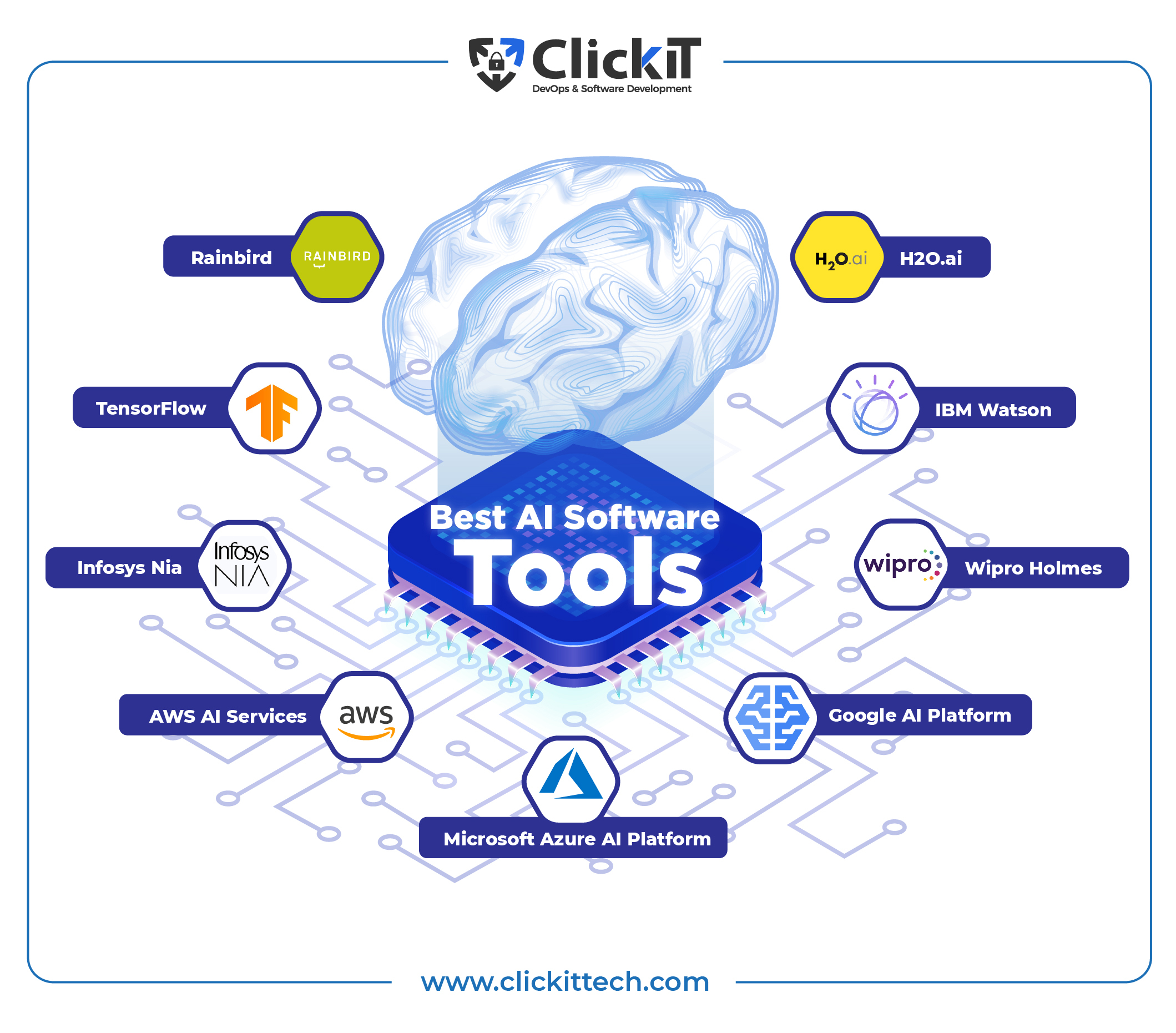
Machine learning platforms let developers create models that learn from data. These platforms offer easy ways to build, test, and deploy AI models. Examples include TensorFlow and PyTorch. They support tasks like predicting trends, recognizing patterns, and making decisions. Many platforms also provide tools to handle big data and speed up training.
Natural Language Processing Tools
Natural Language Processing (NLP) tools help computers understand and use human language. They work with text or speech to analyze meaning and context. Popular NLP tools include spaCy and NLTK. These tools assist in tasks like translation, sentiment analysis, and chatbots. They help machines communicate better with people.
Computer Vision Software
Computer vision software allows machines to see and interpret images or videos. It helps with object detection, facial recognition, and image classification. OpenCV and Amazon Rekognition are well-known examples. This software is used in security, healthcare, and self-driving cars. It turns visual data into useful information.
Ai In Data Analysis
Artificial intelligence plays a big role in data analysis today. It helps businesses and researchers understand large amounts of data quickly. AI tools find patterns and trends that are not easy to see. These insights guide smarter decisions and improve outcomes.
AI in data analysis uses many techniques. It can predict future events, find hidden information, and classify data into useful groups. These abilities save time and reduce errors compared to manual analysis. Let’s explore some common examples of AI software in data analysis.
Predictive Analytics Solutions
Predictive analytics uses AI to guess what might happen next. It looks at past data and finds trends. Businesses use it to forecast sales, customer behavior, and risks. AI models improve over time with new data. This helps companies plan better and reduce losses.
Many tools offer predictive analytics features. They handle large data sets and generate easy-to-understand reports. These solutions help users focus on important insights. AI makes forecasting faster and more accurate than traditional methods.
Data Mining Applications
Data mining is the process of finding hidden patterns in data. AI helps uncover connections and clusters within complex data sets. It can detect fraud, segment customers, and identify new opportunities. This helps organizations make data-driven choices.
AI-powered data mining tools automate the search for valuable information. They work with different data types and formats. These applications reduce manual work and improve analysis speed. Users get clear results that support better strategies.
Ai For Automation
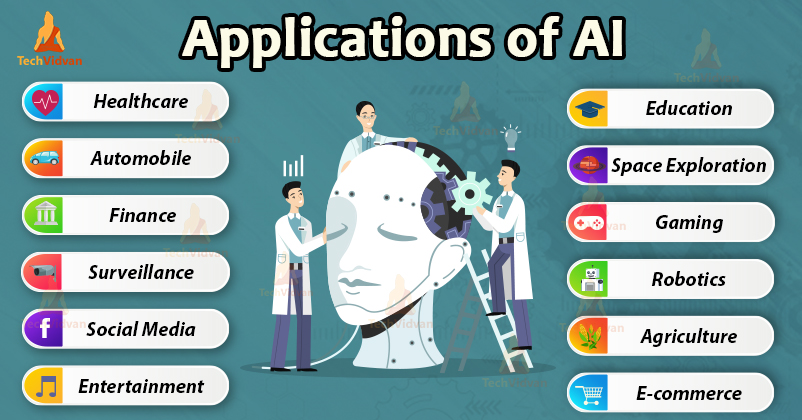
Artificial Intelligence (AI) helps businesses automate many tasks. Automation saves time and reduces errors. It also lets employees focus on more important work. AI software has many uses in automation. It can handle routine jobs quickly and accurately.
Robotic Process Automation
Robotic Process Automation (RPA) uses AI to perform repetitive tasks. It works with software robots that follow set rules. These robots fill forms, move data, and check information. They do these jobs faster than humans. RPA is useful in finance, healthcare, and customer service. It helps reduce costs and improve accuracy.
Intelligent Virtual Assistants
Intelligent Virtual Assistants (IVAs) use AI to help people. They understand speech or text and give answers. IVAs can book appointments, answer questions, and guide users. They work 24/7 and do not get tired. Many companies use IVAs to improve customer support. They handle common requests and free human agents for complex tasks.
Credit: techvidvan.com
Ai In Creative Fields
Artificial Intelligence is making big changes in creative fields. It helps artists, designers, and creators make new and exciting work. AI tools can save time and inspire fresh ideas.
These tools work with images, music, videos, and more. They help people explore creativity in ways not possible before.
Generative Art And Design Tools
Generative art tools use AI to create images and designs. Artists give some input, and the AI produces unique artwork. This helps artists try new styles fast.
Designers use AI to create logos, layouts, and graphics. It suggests ideas and improves details. AI can also make patterns and textures automatically.
These tools make creative work easier and open up many options. They let users experiment without starting from zero every time.
Ai In Music And Video Production
AI helps compose music and create sound effects. It can suggest melodies or beats based on a mood or style. Musicians use AI to improve songs quickly.
In video production, AI can edit clips and add effects. It helps cut long footage into shorter parts. AI also assists with color correction and sound mixing.
This makes the production process faster and less costly. Creators get more time to focus on the story and emotions.
Ai Software For Business
Artificial Intelligence (AI) software helps businesses run more smoothly. It saves time and reduces errors. Many tools use AI to improve how companies manage tasks and interact with customers. AI software can handle data, automate routine work, and provide insights. This lets businesses focus on important decisions and growth.
Customer Relationship Management
AI improves Customer Relationship Management (CRM) by organizing customer data. It tracks interactions and predicts customer needs. AI tools can suggest the best time to contact clients. They also help personalize messages to build trust. This makes customer service faster and more effective.
Sales And Marketing Automation
Sales and marketing teams use AI to automate repetitive tasks. AI software can send emails, schedule social media posts, and score leads. It analyzes customer behavior to target the right audience. This helps businesses save time and increase sales. AI also measures campaign success, guiding better decisions.
Credit: www.clickittech.com
Emerging Ai Technologies
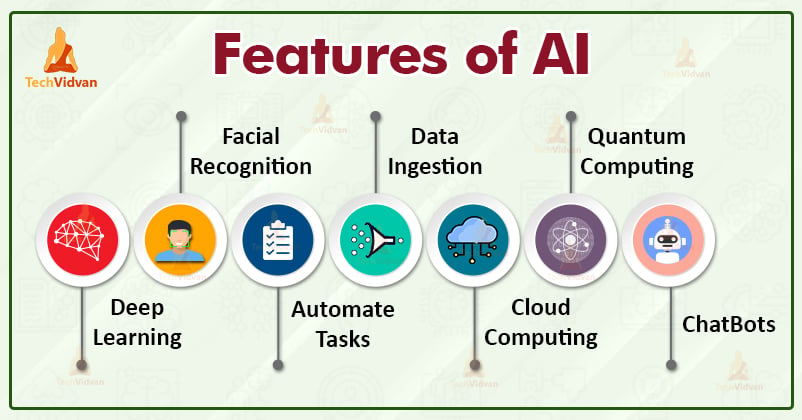
Emerging AI technologies are shaping the future of how machines learn and interact. These innovations bring new ways to solve problems and improve efficiency. They help businesses and individuals make smarter decisions with clearer insights. Understanding these technologies can guide better adoption and use of AI tools.
Explainable Ai Tools
Explainable AI tools show how AI makes decisions. They make complex models easier to understand. Users can see the reasons behind AI outputs. This builds trust in AI systems. It helps detect errors and biases early. Explainable AI is useful in healthcare, finance, and law. These tools increase transparency and accountability.
Edge Ai Solutions
Edge AI solutions process data near the source. They reduce delays by handling tasks locally. This is important for real-time applications like drones and smart cameras. Edge AI lowers bandwidth use and keeps data private. It works well in places with weak internet. These solutions improve speed and reliability for many devices.
Credit: techvidvan.com
Frequently Asked Questions
What Are Common Examples Of Artificial Intelligence Software?
Common AI software includes virtual assistants like Siri, chatbots, recommendation engines, image recognition tools, and autonomous vehicles. These applications use machine learning and natural language processing to perform tasks efficiently and improve user experiences.
How Does Ai Software Improve Business Operations?
AI software automates repetitive tasks, analyzes data quickly, and enhances decision-making. It helps businesses increase productivity, reduce errors, and personalize customer interactions, leading to better outcomes and cost savings.
Which Industries Benefit Most From Ai Software?
Healthcare, finance, retail, manufacturing, and transportation benefit significantly. AI streamlines diagnostics, fraud detection, inventory management, quality control, and route optimization, improving efficiency and service quality.
Can Ai Software Work Without Internet Connection?
Some AI software operates offline, especially those embedded in devices. However, many AI applications rely on cloud computing for data processing and updates, requiring internet access for optimal performance.
Conclusion
Artificial intelligence software helps solve many daily problems. It makes tasks faster and easier for people. From chatbots to image recognition, AI tools are everywhere. They improve how businesses and individuals work. Understanding these examples can guide your choices. AI is a tool to support, not replace, humans.
Keep exploring AI to see what fits best. The future will include more smart software. Stay curious and open to learning more.