What exactly is marketing, and why does it matter to you? Whether you’re starting a business, trying to grow your brand, or simply curious about how products and ideas reach you, understanding the definition of marketing is key.
Marketing isn’t just about selling—it’s about connecting, influencing, and creating value in ways that grab your attention and make you take action. You’ll discover the true meaning of marketing and how it shapes your decisions every day. Ready to unlock the secrets behind what makes marketing work?
Keep reading.

Credit: www.scribd.com
Marketing Fundamentals
Marketing is the process of connecting products or services with the right customers. It involves understanding what people need and want. Marketing helps businesses grow by creating interest and building trust. The fundamentals of marketing are the basic ideas that guide this process.
Core Concepts
At the heart of marketing lies the concept of value. Value means the benefit a customer gets from a product. Another key idea is the target market. This is a group of people most likely to buy the product. Marketing also includes the marketing mix, often called the 4 Ps: Product, Price, Place, and Promotion. These elements work together to satisfy customers.
Key Objectives
Marketing aims to attract and keep customers. It strives to increase sales and build brand awareness. Another goal is to create customer loyalty. Good marketing makes customers feel understood and valued. It also helps businesses stand out from competitors. Overall, marketing supports business growth and success.
Types Of Marketing
Marketing has many forms. Each type serves a different purpose. Businesses choose types based on their goals and audience. Understanding these types helps in creating effective marketing plans.
Traditional Marketing
Traditional marketing uses offline channels to reach customers. Examples include print ads, TV commercials, and billboards. It targets a broad audience in specific locations. This type remains useful for local businesses and large brands.
Digital Marketing
Digital marketing uses the internet to connect with people. It involves social media, email, and search engines. This method allows precise targeting and quick feedback. Many businesses prefer digital marketing for its reach and cost-effectiveness.
Content Marketing
Content marketing focuses on creating and sharing valuable information. Blogs, videos, and guides attract and engage customers. This type builds trust and loyalty over time. It helps businesses show expertise and solve customer problems.
Role Of Marketing In Business
Marketing plays a key role in business success. It connects products with customers. Marketing helps businesses grow and stay competitive. It shapes how customers see a brand and its products.
Driving Sales
Marketing helps increase product sales. It attracts new customers and keeps existing ones. Effective marketing shows why products are valuable. It encourages customers to make purchases.
Building Brand Awareness
Marketing creates recognition for a brand. It makes the brand familiar to many people. A strong brand stands out from competitors. Awareness builds trust and loyalty over time.
Customer Engagement
Marketing keeps customers interested and involved. It creates conversations between the brand and buyers. Engaged customers feel connected and valued. This leads to repeat business and referrals.

Credit: study.com
Marketing Strategies
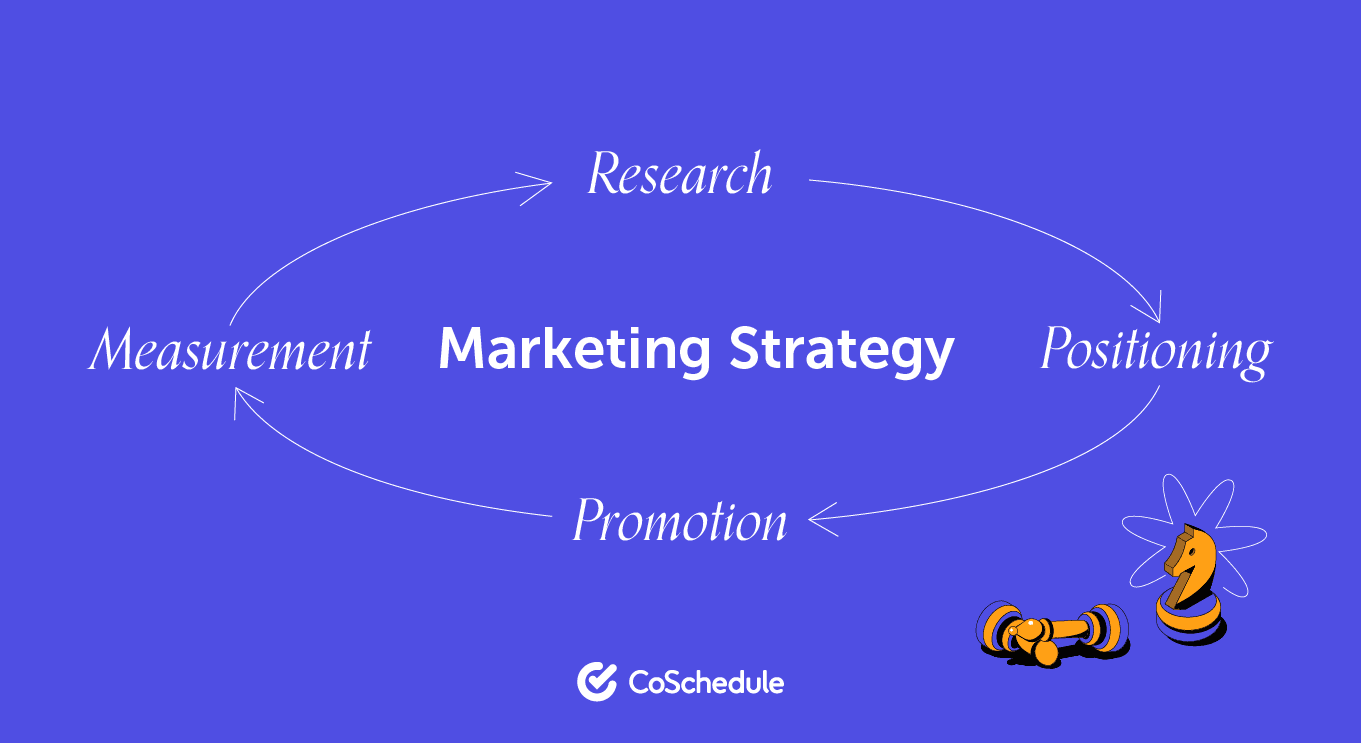
Marketing strategies guide businesses in reaching customers effectively. They help companies decide how to promote products and services. Good strategies make marketing efforts clear and focused. They improve chances of success in competitive markets.
Market Research
Market research gathers information about customers and competitors. It shows what customers want and need. Research helps find trends and new opportunities. Without it, businesses may guess wrong and lose money.
Target Audience
The target audience is the specific group of customers a business wants. Knowing this group helps create messages that connect well. It saves resources by focusing on people most likely to buy. Age, location, and interests often define the audience.
Positioning
Positioning means how a product stands out in the market. It shows why customers should choose it over others. Strong positioning builds a clear image in the customer's mind. It highlights unique features and benefits.
Marketing Mix Elements
The marketing mix is a set of tools businesses use to reach customers and satisfy their needs. It includes key elements that work together to create a successful marketing strategy. These elements help companies decide what to offer, how to price it, where to sell it, and how to promote it effectively.
Understanding the marketing mix elements is essential for any business. Each part plays a crucial role in attracting and keeping customers. The four main elements are Product, Price, Place, and Promotion.
Product
The product is what a company offers to customers. It can be a physical item, a service, or even an idea. The product must meet the needs or wants of the target market. Quality, design, features, and packaging are all important parts of the product element.
Price
Price is the amount customers pay for the product. It affects how customers view the product’s value. Setting the right price helps attract buyers and covers costs. Discounts, payment terms, and pricing strategies are part of this element.
Place
Place means where and how the product is sold. It includes stores, online shops, or other locations. The goal is to make the product easy to find and buy. Distribution channels and logistics are key parts of this element.
Promotion
Promotion involves all activities to tell customers about the product. Advertising, sales promotions, public relations, and social media are examples. Good promotion increases awareness and encourages buying decisions.
Measuring Marketing Success
Measuring marketing success is essential for any business. It shows if marketing efforts bring results. Without measurement, it's hard to know what works and what does not. Tracking success helps improve strategies and spend money wisely.
Key Performance Indicators
Key Performance Indicators (KPIs) are metrics that show marketing progress. Common KPIs include website traffic, conversion rates, and sales growth. These numbers help businesses see if goals are met. Choosing the right KPIs depends on marketing goals.
For example, a company focusing on brand awareness may track social media engagement. Another company may watch email open rates for lead generation. Regularly reviewing KPIs helps teams stay on track and adjust plans quickly.
Analytics Tools
Analytics tools collect and analyze marketing data. Google Analytics is popular for tracking website visitors and behavior. Social media platforms offer built-in analytics to monitor post performance. These tools give insights into customer actions and preferences.
Using analytics tools helps marketers understand which campaigns work best. They reveal where visitors come from and what content they like. This data supports making smart decisions and improving marketing results over time.
Emerging Trends In Marketing
Marketing is changing fast. New trends shape how businesses reach customers. These trends help brands stay relevant and connect better. Understanding these trends can improve marketing efforts.
Emerging trends focus on technology and customer needs. They make marketing more personal and efficient. Let’s explore some key trends shaping marketing today.
Influencer Marketing
Influencer marketing uses popular people to promote products. These influencers have loyal followers who trust their advice. Brands work with influencers to reach target audiences easily. This method feels more natural than traditional ads.
Personalization
Personalization means tailoring messages for each customer. It makes customers feel valued and understood. Marketers use data to create relevant content and offers. Personalized marketing improves customer satisfaction and sales.
Automation
Automation uses software to handle marketing tasks automatically. It saves time and reduces errors. Automated emails, social media posts, and ads reach customers quickly. Automation helps marketers focus on strategy and creativity.
Credit: coschedule.com
Frequently Asked Questions
What Is The Basic Definition Of Marketing?
Marketing is the process of promoting and selling products or services. It involves research, advertising, and customer engagement to meet market needs.
Why Is Marketing Important For Businesses?
Marketing helps businesses attract and retain customers. It builds brand awareness, drives sales, and supports business growth.
How Does Marketing Differ From Advertising?
Marketing covers research, strategy, and customer relations. Advertising is a specific part focused on promoting products through media.
What Are The Main Types Of Marketing?
Main types include digital marketing, content marketing, social media, email marketing, and traditional marketing like print ads.
Conclusion
Marketing means sharing the right message with the right people. It helps businesses connect with customers and meet their needs. Marketing involves research, creativity, and communication. It shapes how products and services reach the market. Everyone sees marketing every day, even without noticing.
Understanding marketing helps you see how brands grow and succeed. It is a key part of business and daily life. Simple but powerful. That is marketing.