Are you unsure about how to handle software license fees in your accounting? You’re not alone.
Managing these costs the right way can save you from headaches during audits and help keep your financial records clear. You’ll discover simple steps to accurately account for software license fees, avoid common mistakes, and make your bookkeeping smoother. Keep reading to learn how to take control of your software expenses and improve your financial management today.
Types Of Software Licenses
Software licenses determine how you can use a software product. Each type has different rules and costs. Understanding these types helps you manage software expenses well. It also helps in proper accounting and budgeting.
Perpetual Licenses
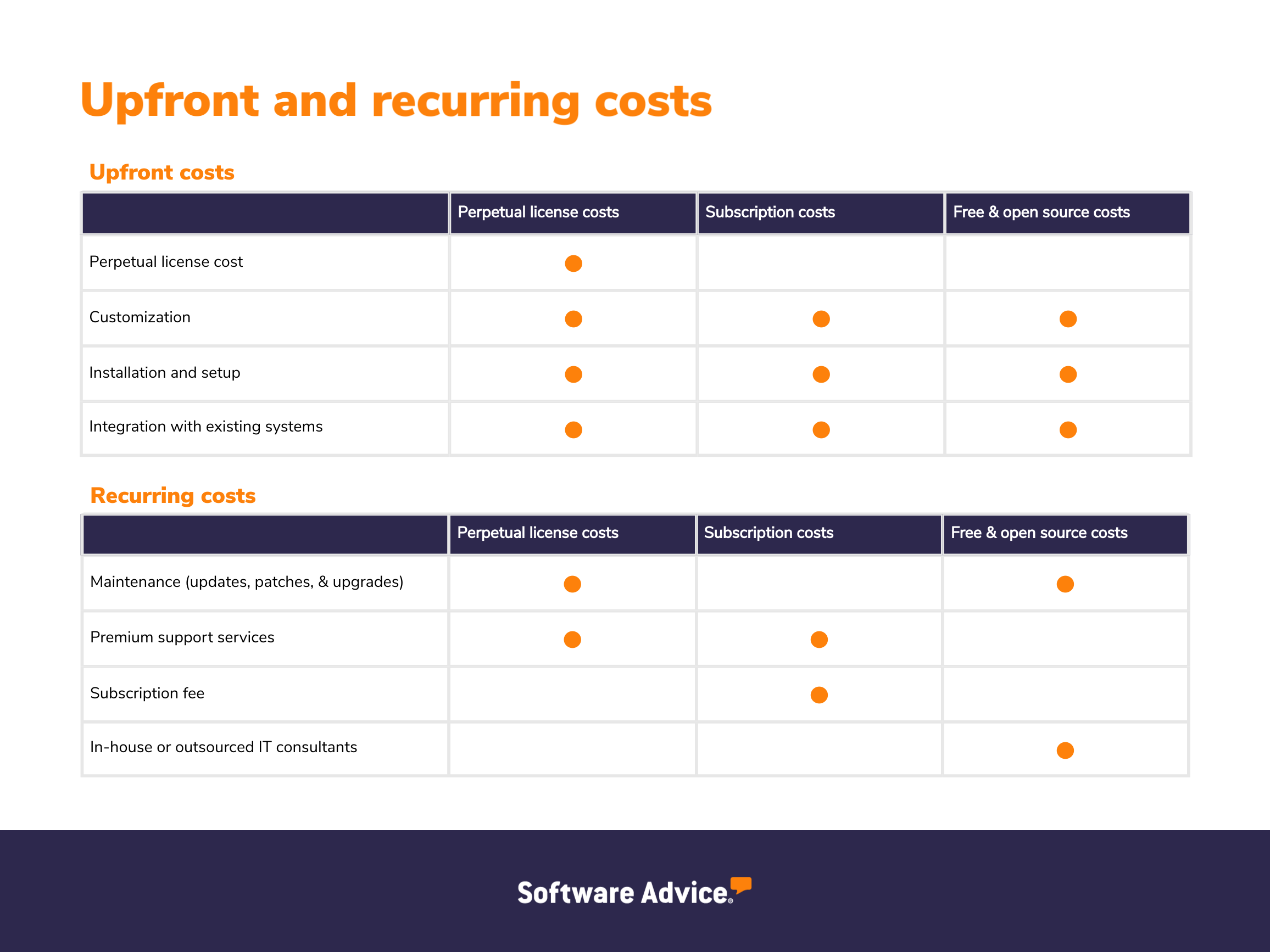
Perpetual licenses allow you to use software forever. You pay once and own the license. This type is common for desktop applications. The cost is usually higher upfront. Updates or support may require extra fees. For accounting, treat this as a fixed asset.
Subscription-based Licenses
Subscription licenses require regular payments, often monthly or yearly. You use the software as long as you pay. This model is popular for cloud and SaaS products. It spreads costs over time. Record these fees as operating expenses. Track payments to match the subscription period.
Concurrent User Licenses
Concurrent licenses limit the number of users at once. Many users can have access but only some can use it simultaneously. This model suits businesses with many occasional users. It helps control costs by sharing licenses. Account for these fees based on actual usage or contract terms.
Capitalizing Vs Expensing License Fees
Deciding whether to capitalize or expense software license fees affects your financial statements. Capitalizing means treating the fee as a long-term asset. Expensing means recording the fee as a cost right away. This choice changes how profits and assets show on reports.
Understanding the difference helps in proper accounting. It also ensures compliance with accounting rules. Clear guidelines help decide the right method for your license fees.
Criteria For Capitalization
License fees can be capitalized if they provide benefits over time. The software must have a useful life beyond one year. The fee should be a one-time cost or a long-term contract. Costs must be directly related to acquiring the software. Ongoing support or maintenance fees do not qualify for capitalization.
Capitalized costs appear on the balance sheet as assets. These costs are then spread out or amortized over the software’s useful life. This method matches the expense with the revenue the software helps generate.
When To Expense Immediately
Expense license fees immediately if they are short-term or periodic. Monthly or annual subscription fees usually fall into this category. These fees do not create a lasting asset for the company. Costs related to upgrades or minor enhancements are expensed as well.
Expensing immediately reduces profit in the current period. It simplifies accounting and reflects the true cost of using the software now. This approach fits best for licenses without long-term ownership rights.
Recording License Fees In Financial Statements
Recording license fees correctly in financial statements is key for clear business accounting. These fees affect how you report assets and expenses.
Understanding where to place license fees in your financial records helps maintain accurate books. This process involves knowing the balance sheet and income statement impacts.
Balance Sheet Treatment
Software license fees paid for long-term use appear as intangible assets on the balance sheet.
These fees stay under assets until their useful life ends or the license expires.
Amortization reduces the asset value gradually over time. This matches the cost with the period the software is used.
If license fees are for a short period, they may be recorded as prepaid expenses instead.
Income Statement Impact
License fees show up as expenses on the income statement based on their use period.
Amortization expense spreads the license cost over multiple reporting periods.
For short-term licenses, the entire fee usually gets expensed in the current period.
Correct expense recognition helps reflect true profit or loss each period.
Credit: www.softwareadvice.com
Handling Maintenance And Upgrade Costs
Handling maintenance and upgrade costs is a key part of managing software license fees. These costs affect the overall expense and how companies report their spending. Proper accounting helps track expenses clearly and avoid confusion. It also ensures compliance with accounting rules.
Maintenance fees cover support services and routine updates. Upgrade costs are for new features or major improvements. Separating these costs helps keep financial records accurate. It also gives a clear view of ongoing software expenses.
Separating License Fees From Maintenance
License fees are the initial cost to use the software. Maintenance fees are paid regularly for support and fixes. These two should be recorded separately in accounts. This distinction makes it easier to track expenses over time.
Maintenance fees usually happen annually or monthly. They do not add to the software's value but keep it running smoothly. Record maintenance as an operating expense. This keeps financial statements clear and organized.
Accounting For Upgrades And Enhancements
Upgrades add new features or major improvements to software. Enhancements improve existing functions or performance. These costs may be capitalized or expensed based on their impact.
Capitalizing means adding the upgrade cost to the asset value. Expense means recording it as a cost in the current period. Use accounting rules to decide the right method. Proper classification affects profit and loss reporting.
Keep detailed records of all upgrade and enhancement costs. This helps during audits and financial reviews. Clear accounting supports better budget planning for future software needs.
Tax Implications Of Software Licensing
Understanding the tax implications of software licensing is important for businesses. Software license fees can affect your taxes in different ways. Knowing how to handle these fees helps you save money and stay legal. This section explains key tax points about software licenses.
Deductibility Of License Costs
Software license fees are often deductible as a business expense. This means you can subtract these costs from your income. Deducting lowers the amount of tax you owe. Some licenses are one-time fees, while others are recurring. One-time fees might be treated as capital expenses. Recurring fees usually count as operating expenses. Always check local tax rules to confirm how to deduct these costs.
Tax Credits And Incentives
Some governments offer tax credits for software purchases. These credits reduce the actual tax you must pay. Tax incentives encourage businesses to invest in technology. They may apply to software development or software used in certain industries. Eligibility varies by location and type of software. Keep track of available credits and incentives to benefit from them.
Credit: www.slideteam.net
Common Mistakes To Avoid
Accounting for software license fees can be tricky. Many people make mistakes that lead to errors in financial records. Avoiding common errors helps keep accounts accurate and clear. It also prevents issues during audits and tax reporting.
Misclassifying License Fees
Some record license fees as one-time purchases instead of expenses. This misclassification can distort financial statements. License fees often represent ongoing costs and should be treated as expenses. Classifying them as assets inflates the balance sheet incorrectly.
Another mistake is mixing up license fees with maintenance or support costs. These costs have different accounting treatments. Keeping them separate ensures clear and accurate records.
Ignoring Contract Terms
Many overlook the details in software contracts. License fees can be fixed, variable, or based on usage. Ignoring these terms leads to wrong expense recognition. Always review contract length, renewal terms, and payment schedules carefully.
Some contracts include bundled services or upgrades. Treating all fees the same can cause accounting errors. Break down the contract components to account for each correctly.
Leveraging Accounting Software For License Management
Managing software license fees can be complex and time-consuming. Accounting software helps simplify this task. It organizes license expenses and tracks payments easily. This makes financial management clearer and more efficient.
Using accounting software reduces errors and saves time. It provides reports that show license costs and usage. This insight helps businesses control spending and plan budgets better.
Tracking License Expenses
Accounting software records each software license purchase. It categorizes these expenses for easy review. You can see when fees are due and track renewals. This avoids missed payments and late fees. Clear records help during audits and financial reviews.
Automating Amortization
Many software licenses are paid over time. Accounting software automates amortization of these costs. It spreads the expense across months or years. This matches expenses with the period the software is used. Automation reduces manual calculations and errors. It ensures accurate financial statements without extra work.
Credit: www.eliassen.com
Frequently Asked Questions
What Are Software License Fees?
Software license fees are payments made to legally use software. They grant users permission to access and operate the software under specific terms and conditions set by the vendor.
How To Record Software License Fees In Accounting?
Record software license fees as an expense or asset based on usage duration. Short-term licenses are expensed immediately, while long-term licenses are capitalized and amortized over time.
Can Software License Fees Be Capitalized?
Yes, if the software license provides benefits beyond one year, capitalize it as an intangible asset. Then, amortize the cost over its useful life according to accounting standards.
How Do Subscription Licenses Affect Accounting?
Subscription licenses are treated as operating expenses. Record fees as expenses in the period they relate to, reflecting ongoing access without ownership of the software.
Conclusion
Accounting for software license fees helps keep your business finances clear. Track all costs carefully to avoid mistakes. Choose the right method to match your accounting needs. Stay consistent with how you record fees each time. This practice supports better budgeting and tax reporting.
Understanding these steps makes managing software expenses easier. Keep learning and adjusting as rules or needs change. Clear records lead to smoother audits and fewer surprises. Simple habits protect your business and save time.