Are you ready to build your very own accounting software using Python? Imagine having a tool tailored exactly to your needs, helping you keep track of expenses, manage invoices, and organize financial data—all in one place.
This guide will show you step-by-step how to create a simple yet powerful accounting program from scratch. Whether you’re new to programming or looking to sharpen your skills, by the end, you’ll have something practical and impressive to call your own.
Let’s dive in and turn your ideas into real, working software.
Setting Up Your Environment
Before you start coding your accounting software, prepare your environment. This step makes your work smooth and organized. Setting up the right tools helps avoid errors later. It also saves time during development. Let’s explore how to get your environment ready.
Installing Python And Libraries
First, install Python on your computer. Python is the main language for this project. Visit the official Python website to download the latest version. Choose the version that matches your operating system.
After installing Python, add useful libraries. Libraries make coding easier and faster. For accounting software, install libraries like pandas for data handling and sqlite3 for database work. Use the command pip install pandas to add pandas.
Choosing An Ide
An IDE helps you write and test code efficiently. Some popular IDEs for Python are PyCharm, Visual Studio Code, and Thonny. Pick one that you find simple to use. IDEs offer features like code highlighting and debugging tools. These features help you find mistakes quickly.
Creating A Project Structure
Organize your files in a clear folder structure. Start with a main project folder. Inside, create folders named src for your code, data for databases, and tests for testing scripts. Good structure keeps your project neat.
This setup makes it easier to find files and manage your code. It also helps when your project grows bigger. Keeping things simple and tidy saves time later on.

Credit: thepythoncode.com
Designing The Software Architecture
Designing the software architecture is the first step in building accounting software in Python. It sets the foundation for how the software works. Good design makes the software easier to develop, test, and maintain. It also helps the software run smoothly and handle data correctly.
In this phase, you decide what features your software needs. You plan how data will be stored and organized. You also think about how users will interact with the software. Careful planning here saves time and effort later.
Defining Core Features
Start by listing the main features your software must have. Basic features include recording transactions, managing accounts, and generating reports. Add features like invoicing, expense tracking, and tax calculation. Focus on features that meet user needs clearly. Avoid adding too many features at first. Keep it simple to build a strong base.
Planning Data Models
Data models show how data is structured and related. Define tables or classes for accounts, transactions, users, and invoices. Each table should have clear fields like date, amount, and description. Think about data types and limits to avoid errors. Plan relationships between data, such as linking transactions to accounts. A good data model keeps data organized and easy to access.
Sketching User Interface
Design a simple and clear user interface (UI). Users should find it easy to enter data and view reports. Use basic layouts with buttons, forms, and tables. Keep navigation straightforward to reduce confusion. Sketch your UI on paper or use design tools. This helps visualize how users will interact with the software. A clean UI improves user experience and software adoption.
Building The Data Models
Building data models is a key step in creating accounting software using Python. Data models define how financial information is stored and handled. They help organize accounts, transactions, and records clearly. Good models make the software reliable and easy to update.
This section breaks down the main parts of the data model. You will learn how to create account classes, handle transactions, and manage ledgers and journals. Each part plays a role in making the software work smoothly.
Creating Account Classes
Account classes represent different types of financial accounts. For example, assets, liabilities, income, and expenses. Each class stores basic information like account name and balance.
In Python, you can create a class with attributes such as account_id, name, and balance. Methods help update balances or display account details. Keeping the class simple helps maintain clarity in the code.
Handling Transactions
Transactions record money moving in or out of accounts. Each transaction links to one or more accounts. It includes details like amount, date, and description.
Create a transaction class to store this data. You can add methods to apply transactions to account balances. Careful handling ensures all changes are accurate and consistent.
Managing Ledgers And Journals
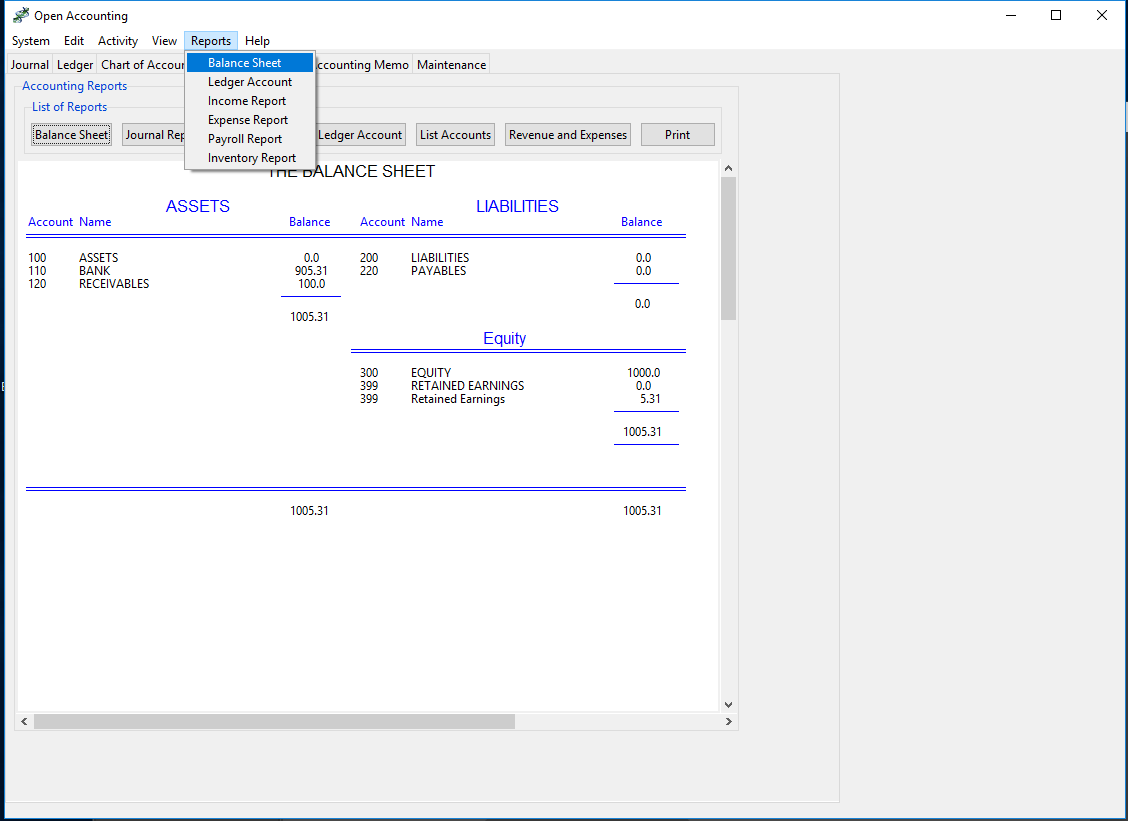
Ledgers and journals store lists of transactions. Journals record transactions first. Ledgers organize them by accounts for easy tracking.
Implement ledger and journal classes that collect transaction objects. These classes provide functions to add, search, and summarize entries. This structure keeps financial data well-organized and easy to access.
Credit: medmatix.github.io
Implementing User Interface
Creating the user interface (UI) is a key step in building accounting software with Python. The UI allows users to interact with your program. It should be simple and clear. A good UI makes the software easy to use. This section covers how to implement the UI effectively.
Choosing A Gui Framework
Pick a GUI framework that fits your needs. Tkinter is a popular choice for beginners. It comes with Python and is easy to learn. PyQt and Kivy offer more features but need extra setup. Consider your project size and features before choosing. The right framework helps build a smooth interface.
Designing Forms And Views
Plan your forms and views carefully. Forms collect user input like invoices or payments. Keep forms simple with clear labels and input boxes. Use views to display data like reports or balances. Organize elements logically for quick access. Clean design improves user experience and reduces errors.
Connecting Ui With Backend
Link the UI with your backend logic. Use event handlers to respond to user actions. For example, button clicks should trigger data saving or calculations. Connect input fields to your accounting functions. This connection makes the software functional and interactive. Test each link to ensure smooth operation.
Adding Core Functionalities
Adding core functionalities is the heart of creating accounting software in Python. These functions allow the software to perform essential tasks for managing finances. Every feature must be clear and easy to use. This makes the software practical for daily accounting work.
Start by enabling the software to record transactions. This function tracks all money movements. Then, generate financial reports to summarize the business status. Lastly, implement data validation to ensure accuracy and avoid errors.
Recording Transactions
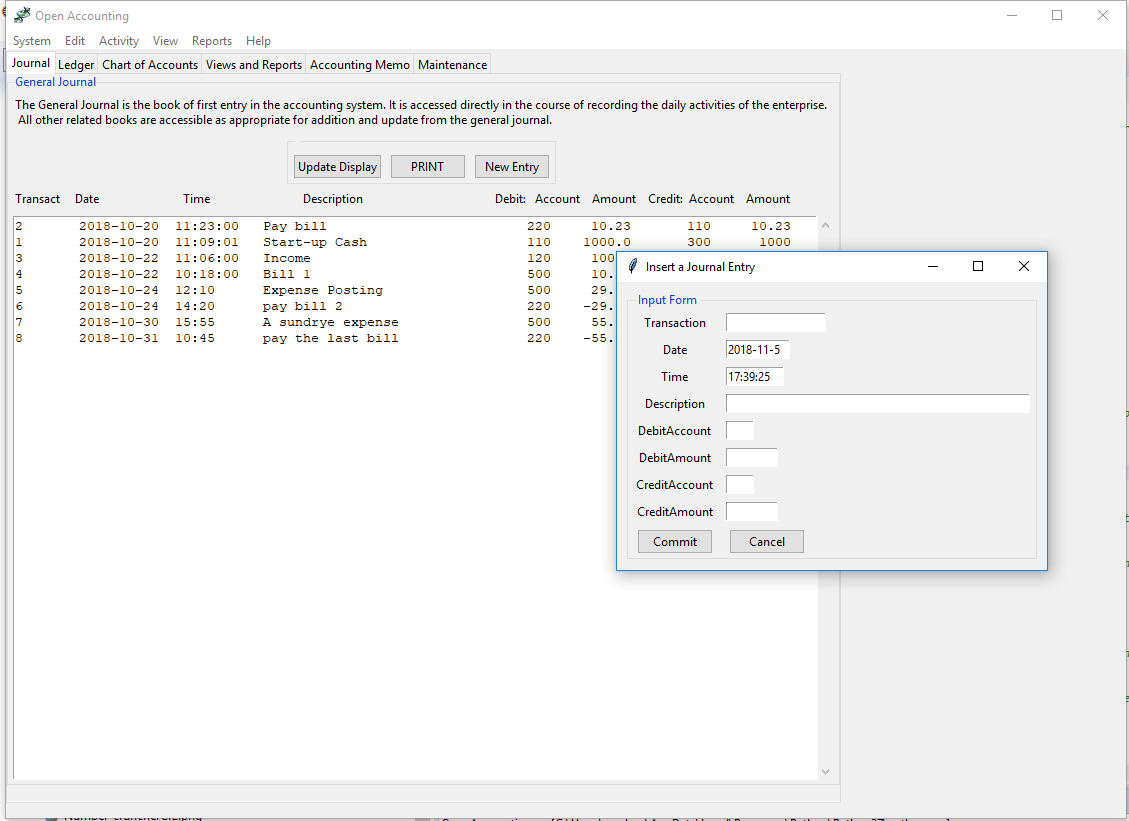
Recording transactions means saving details of all financial activities. Use Python to create forms for inputting transaction data. Store information such as date, amount, and type of transaction. Keep records organized by categories like income and expenses. This helps users track their money clearly and efficiently.
Generating Financial Reports
Financial reports show the overall financial health of a business. Use Python code to calculate totals and summaries from transactions. Common reports include balance sheets and profit and loss statements. Present data in tables or charts for easy reading. Reports help users understand their financial position quickly.
Implementing Data Validation
Data validation checks if the entered information is correct. Use Python to verify dates, amounts, and required fields. Prevent errors like negative amounts or missing data. Validation improves software reliability and user trust. It stops mistakes before they affect financial records.
Credit: medmatix.github.io
Ensuring Data Persistence
Ensuring data persistence is essential for any accounting software. It means saving data safely so it is not lost after the program closes. Without data persistence, all accounting records would disappear. This section explains how to keep data safe and easy to access.
Setting Up A Database
A database stores your accounting data in an organized way. Setting up a database helps keep records safe and easy to find. You can start by creating tables for invoices, clients, payments, and expenses. Each table stores related information clearly. Use simple commands to create these tables and define their fields. This structure helps your software store and retrieve data fast.
Integrating With Sqlite Or Other Dbms
SQLite is a lightweight database that works well with Python. It does not need a separate server, making it simple to use. You can connect SQLite to your Python code using the built-in sqlite3 library. Other database management systems (DBMS) like MySQL or PostgreSQL also work. Choose the one that fits your needs. Integration lets your software save data directly to the database. It ensures data stays safe after the program closes.
Handling Data Backup And Restore
Backing up data protects it from accidental loss or corruption. Set up automatic backups to copy your database regularly. Store backups in a safe place, separate from the main data. Restoring data means loading backup copies when needed. This process brings back lost or damaged data quickly. Always test your backup and restore functions to make sure they work well.
Testing And Debugging
Testing and debugging are key steps in building accounting software with Python. They help ensure the software works correctly and handles errors well. This process catches bugs early and improves software quality. Good testing and debugging save time and effort later.
Writing Unit Tests
Unit tests check small parts of your code separately. They make sure each function works as expected. Use Python’s unittest or pytest to create tests. Write tests for calculations, data input, and output functions. Run tests often to catch errors quickly. Clear tests help fix bugs faster.
Debugging Common Issues
Debugging finds and fixes problems in the code. Common issues include wrong calculations and data format errors. Use Python’s pdb or print statements to track variables and flow. Check error messages carefully to understand problems. Fix errors step by step to avoid new bugs.
Performance Optimization
Good performance is important for accounting software. Slow code frustrates users and wastes resources. Profile your code with tools like cProfile to find slow parts. Simplify complex loops and avoid repeated calculations. Use efficient data structures like dictionaries and sets. Fast software improves user experience.
Deploying The Software
Deploying accounting software built with Python is a key step. It makes the software ready for real users. Proper deployment ensures smooth installation and easy access. It also helps maintain the software over time.
Deployment involves packaging, creating executable files, and distribution. Each step is important to reach the users efficiently.
Packaging The Application
Packing your Python app bundles all files together. This includes scripts, libraries, and resources. Packaging helps keep everything organized for users. Tools like setuptools or Poetry make packaging easier. They create a single folder or archive. This folder contains all files needed to run the app.
Creating Executable Files
Executable files allow users to run the app without Python installed. Tools such as PyInstaller or cx_Freeze create these files. They turn Python scripts into .exe or app files. These files work on Windows, Mac, or Linux. Executables simplify running the software for non-technical users. They also speed up startup time and improve user experience.
Distributing To Users
Distribute the software through websites or app stores. Users download the package or executable from a safe place. You can use services like GitHub, your own website, or cloud storage. Make sure the download process is simple. Provide clear instructions for installation and use. This helps users adopt the software quickly and easily.
Extending Features
Extending the features of your accounting software makes it more useful. It helps the software grow with your needs. Adding new functions can improve user experience and efficiency. Focus on key areas that benefit most users. This way, your software stays relevant and practical.
Adding Multi-user Support
Allow multiple users to access the software at once. Use user authentication to keep data safe. Assign roles like admin or viewer for control. Implement session management to handle user logins. This feature helps teams work together smoothly.
Integrating Cloud Storage
Save data in the cloud to enable access anywhere. Use services like AWS or Google Cloud for storage. Ensure data backup to avoid loss. Sync data automatically to keep files updated. Cloud storage improves flexibility and security.
Implementing Advanced Reporting
Create detailed reports to analyze financial data. Use charts and graphs for easy understanding. Allow users to filter and export reports. Automate report generation to save time. Advanced reporting helps users make better decisions.
Frequently Asked Questions
What Are The Key Features Of Accounting Software In Python?
Key features include transaction tracking, invoicing, expense management, and financial reporting. Python’s libraries like Pandas simplify data handling. A user-friendly interface and secure data storage are essential for effective accounting software.
How Can Python Simplify Accounting Software Development?
Python offers extensive libraries and frameworks for data processing and GUI design. It supports automation of calculations and report generation. Python’s readability speeds up development and maintenance, making it ideal for accounting software.
Which Python Libraries Are Best For Accounting Software?
Pandas and NumPy handle data analysis and manipulation efficiently. Tkinter or PyQt can create user interfaces. Matplotlib supports visualizing financial data, while SQLite manages lightweight databases effectively.
How To Ensure Data Security In Python Accounting Software?
Implement encryption for stored data and secure user authentication. Use secure coding practices to prevent vulnerabilities. Regularly update libraries and software to protect against cyber threats and maintain data integrity.
Conclusion
Creating accounting software in Python is a useful skill to have. You can track income, expenses, and manage finances easily. Start with simple features and add more as you learn. Practice coding regularly to improve your skills. Use clear code and test your program often.
This project helps you understand both accounting and programming basics. Keep exploring new tools to make your software better. Coding your own software saves money and fits your needs. Enjoy the learning process and build something helpful!