Are your email marketing campaigns falling short of the results you want? You’re not alone, and the good news is that small changes can make a big difference.
Imagine turning every email you send into a powerful tool that grabs attention, builds trust, and drives action. You’ll discover simple, proven strategies to boost your email marketing conversion rates. Keep reading, and you’ll learn how to connect with your audience in a way that feels personal and irresistible—making your messages impossible to ignore.
Credit: cxl.com
Craft Compelling Subject Lines
Personalization makes subject lines stand out. Use the recipient's name or location to catch attention. This small touch feels friendly and direct.
Creating urgency and curiosity prompts readers to open emails quickly. Phrases like "Last chance" or "Don't miss out" spark interest. Questions or hints tease the content inside.
Keep subject lines short and clear. Aim for fewer than 50 characters. Clear and simple words help people understand instantly. Avoid confusing or long phrases that might lose readers.
Segment Your Email List
Segmenting your email list helps reach the right people with the right message. Start by identifying key audience groups. Group contacts by age, location, or interests. This makes emails more relevant and personal.
Tailor content for each segment. Use language and offers that fit each group’s needs. Personalized emails get more attention and clicks.
Leverage behavioral data like past purchases or website visits. This shows what customers want and when to send emails. Use this data to send timely and useful messages.
Optimize Email Content
Clear and concise copy helps readers understand your message fast. Use short sentences and simple words. Avoid long paragraphs. Highlight key points with bold text. Make every word count. Keep your email focused on one main idea.
Engaging visuals catch attention quickly. Use images that support your message. Charts or infographics can explain data clearly. Make sure visuals load fast and look good on all devices. Balance text and images for easy reading.
Strong calls to action guide readers to take the next step. Use action words like "buy," "join," or "learn." Make buttons or links clear and easy to find. Place calls to action near the top and bottom of the email. Repeat them if needed but don’t overdo it.
Improve Email Design
Mobile-friendly emails reach more readers. Most people check emails on phones. Use responsive design so emails look good on all devices. Keep layouts clean and simple. Avoid clutter to help readers focus on the message. Use clear fonts and enough white space. This makes emails easy to read.
Test different design parts like colors, buttons, and images. Small changes can boost clicks and conversions. Try one change at a time to see what works best. Use A/B testing tools to compare designs. This helps find the best email look for your audience.
Timing And Frequency
Finding the best time to send emails can boost your open rates. Test different days and hours to see when subscribers respond most. Some people check emails in the morning, others in the afternoon.
Sending too many emails can annoy subscribers. Keep your messages clear and spaced out. A few emails each week is often enough. This helps keep readers interested without feeling overwhelmed.
Testing how often you send emails is key. Try sending emails once a week, then twice a week, and compare results. Watch for changes in clicks, opens, and unsubscribes. The right balance keeps engagement high and reduces opt-outs.

Credit: clevertap.com
Leverage Automation And Personalization
Drip campaigns send emails automatically over time. They keep your audience engaged without extra work. These emails build trust and encourage actions step by step.
Dynamic content changes email parts based on who reads it. It shows products or messages that fit each person's interests. This makes emails feel personal and relevant.
Trigger emails start when someone acts, like clicking a link or buying. This quick response helps keep the conversation fresh. People get what they want at the right time.
Analyze And Test Campaigns
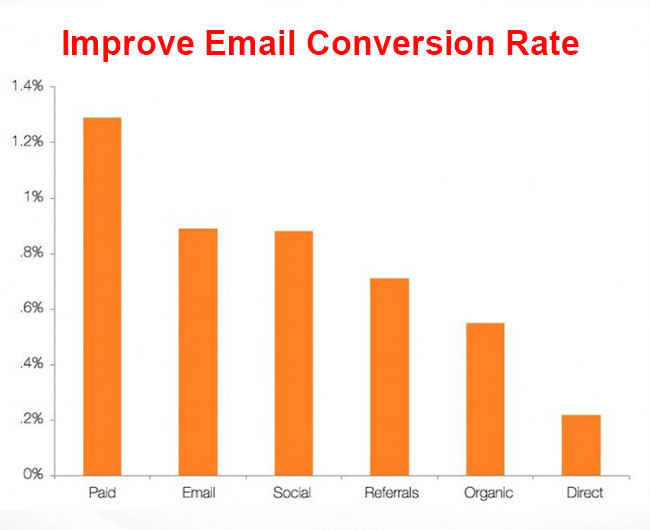
Tracking key metrics helps understand how your emails perform. Watch the open rate to see how many people read your email. The click-through rate shows how many click on links inside. Also, check the conversion rate to know how many finish the desired action. These numbers guide better decisions.
A/B testing means sending two versions of an email to small groups. Test different subject lines, images, or call-to-action buttons. See which version works best. Then, send the best one to the rest of your list. This helps improve results step-by-step.
Adjust strategies based on data from your tests and metrics. Change what does not work. Try new ideas to engage your readers. Small changes can lead to better email marketing results over time.
Maintain List Hygiene
Removing inactive subscribers helps keep your list fresh. These people do not open or click emails. They lower your engagement rates. Regularly cleaning your list improves your delivery rates and sender reputation.
Verifying email addresses before sending ensures fewer bounces. It saves time and reduces spam complaints. Use simple tools to check if emails are valid and active.
Encourage subscribers to update their preferences. Let them choose what content they want. This makes your emails more relevant and increases click-through rates. Ask about frequency and topics they like.
Credit: www.designer-daily.com
Frequently Asked Questions
How Can I Increase Email Open Rates Effectively?
To increase open rates, craft compelling subject lines and personalize emails. Use segmentation to target relevant audiences. Avoid spammy words and send emails at optimal times for better engagement.
What Are The Best Ways To Improve Email Click-through Rates?
Improve click-through rates by including clear calls-to-action (CTAs). Use engaging content and attractive visuals. Optimize for mobile devices and A/B test different email elements regularly.
How Does Segmentation Boost Email Marketing Conversions?
Segmentation allows targeting specific groups with relevant content. This increases engagement and conversion rates by addressing the recipient’s interests and needs. It also reduces unsubscribes and improves overall campaign performance.
Why Is Email Personalization Important For Conversions?
Personalization makes emails more relevant and builds trust. It increases open and click rates by addressing recipients by name and tailoring content to their preferences. Personalized emails create a stronger connection with the audience.
Conclusion
Improving email marketing conversion rates takes time and effort. Focus on clear messages and strong calls to action. Test your emails often to see what works best. Keep your list clean and target the right people. Personalize content to make readers feel special.
Track results and adjust your strategy regularly. Small changes can lead to better results. Stay patient and consistent with your approach. Success grows from steady, smart work.